Need help or have a question?
Contact us at: service@jingci.shop


Relief Carving

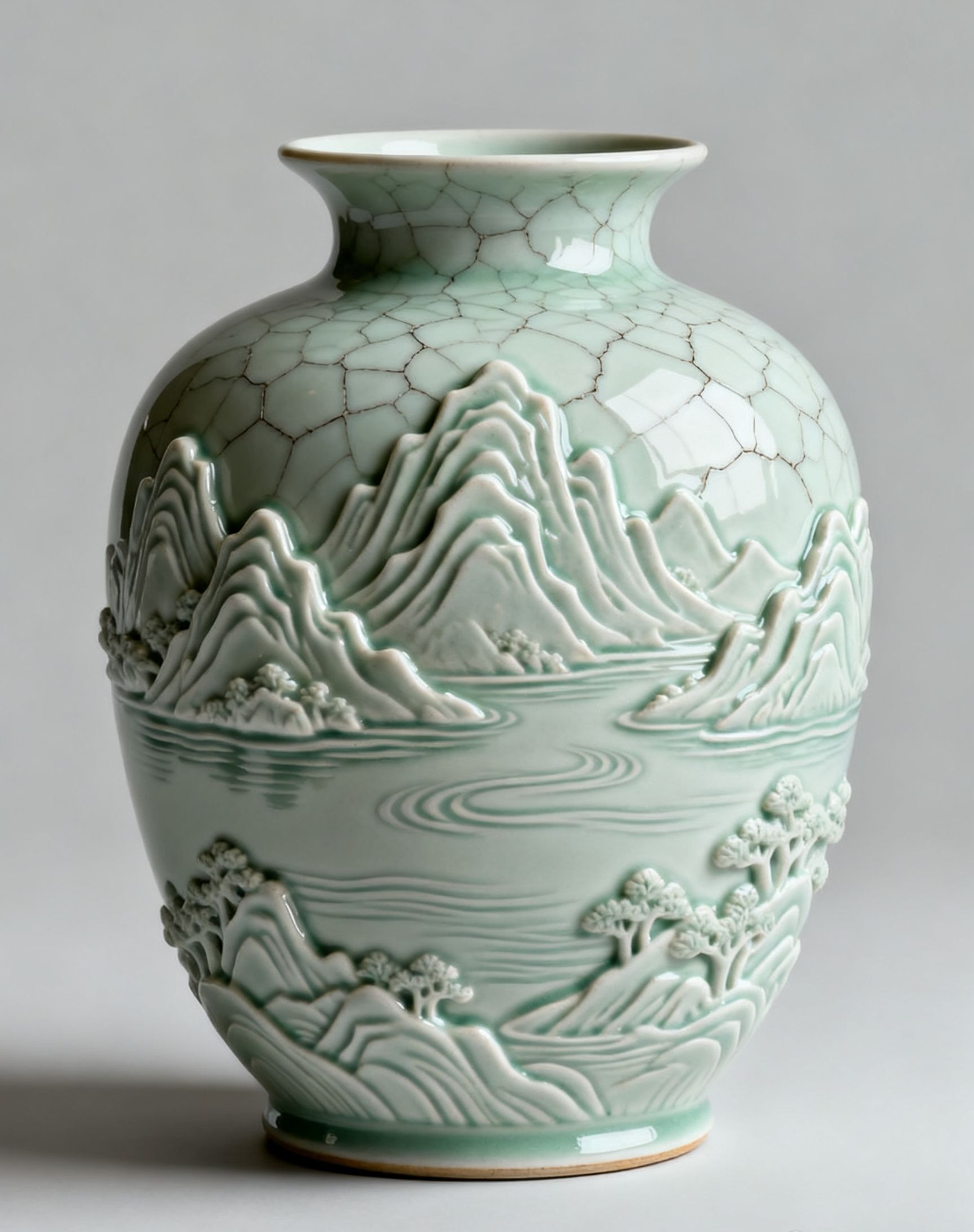
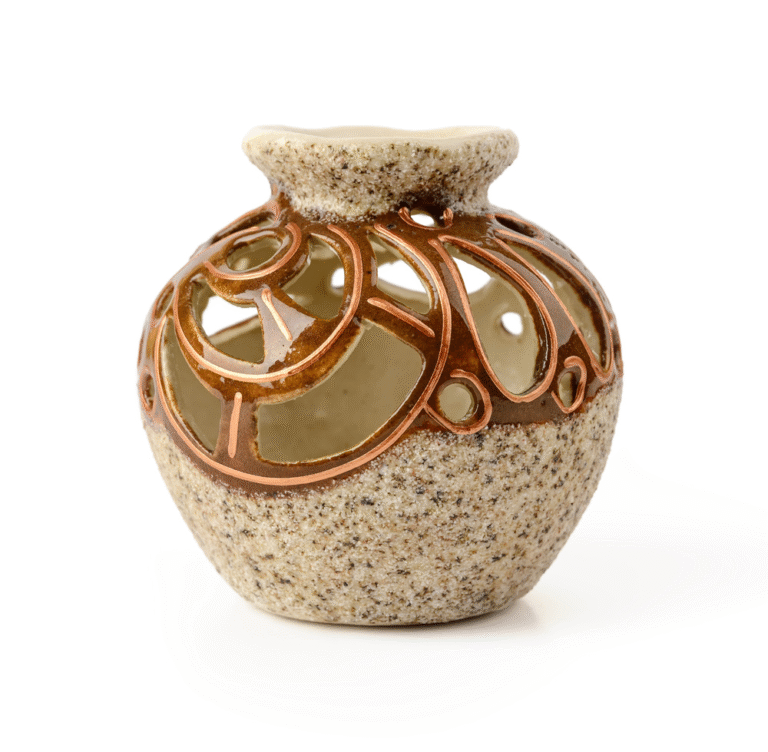
Relief carving creates three-dimensional designs by modeling clay additions or carving away background material. This technique ranges from subtle bas-relief to dramatic高浮雕 (gaofudiao), often combining with other methods like color glazes or incising.
Buddhist Art Influence
Northern Wei Dynasty (386–534) Buddhist stupas featured early ceramic reliefs, which later evolved into Tang Dynasty tomb figurines with intricate garment folds carved using “wire brush” techniques.
Technical Innovations
Song Dynasty artisans developed “stacked relief” where multiple clay layers create depth exceeding 2cm. The National Palace Museum’s “青白釉凸雕花卉纹尊” (Qingbai glazed relief vase) demonstrates how this technique mimicked bronze casting aesthetics in porcelain.
Functional Adaptations
Relief carving wasn’t merely decorative—Ming Dynasty medicine jars used raised花纹 (huawen) to identify contents, while late Qing export porcelain employed Western neoclassical reliefs for European markets, illustrating cross-cultural adaptation.