Need help or have a question?
Contact us at: service@jingci.shop

Doucai Decoration

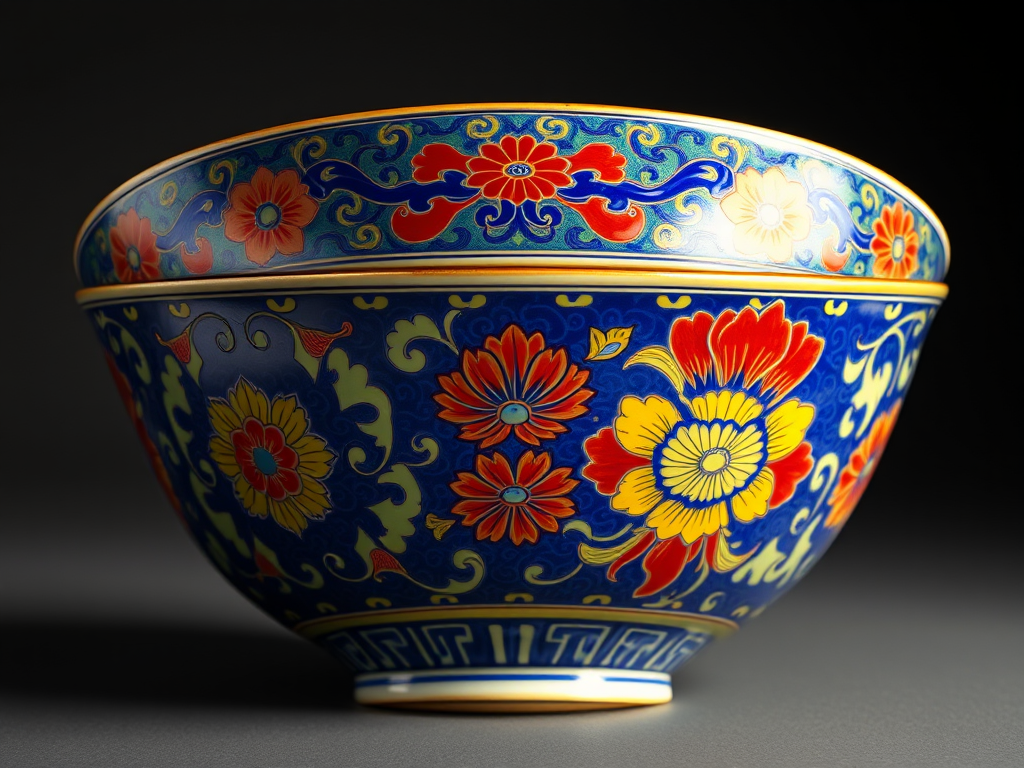
Doucai (literally “contrasting colors”) combines underglaze cobalt blue outlines with overglaze enamel fills, creating a harmonious interplay between “bone” and “flesh” of the design. This two-step process requires precise registration between the initial blue underglaze firing and subsequent enamel application.
Imperial Heritage
Developed during the Ming Xuande period (1426–1435) and perfected under Chenghua (1465–1487), doucai was exclusively produced for the imperial court. The technique nearly disappeared after the Ming collapse but was revived under Qing Emperor Qianlong’s patronage.
Exquisite Examples
The Meiyintang Chenghua Chicken Cup (sold for $36 million in 2014) showcases the technique’s delicate balance. Its cobalt outlines contain overglaze red, yellow, and green enamels, demonstrating the “incised line, filled color” method that became a symbol of imperial taste.
Cultural Symbolism
Doucai represents the Confucian ideal of balanced dualism (yin-yang). The British Museum’s doucai bowl with floral medallions illustrates how these ceramics mediated between imperial authority and scholarly aesthetics during China’s “porcelain diplomacy” era.