Category Craft

Ice Crackle

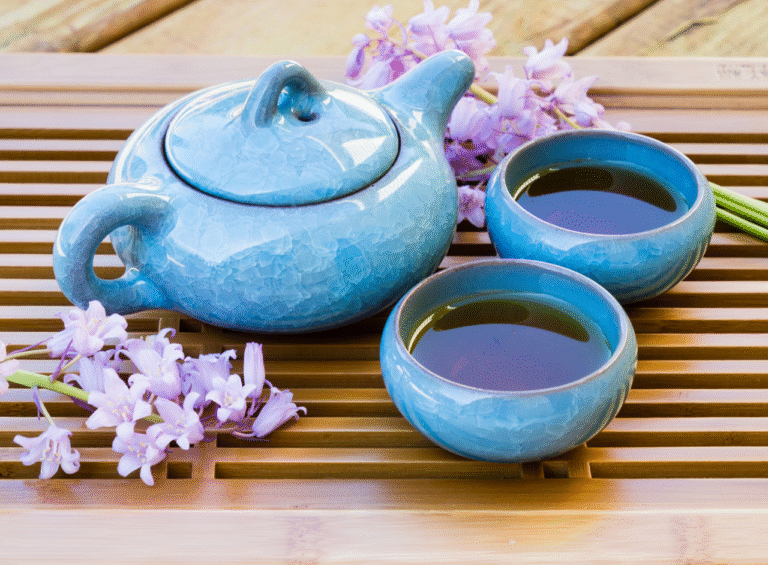
Ice crackle glaze creates a network of interconnected, angular cracks resembling fractured ice. This specialized form of crackle glaze requires precise control of glaze chemistry and firing atmosphere to achieve its characteristic crystalline pattern. Song Dynasty OriginsDeveloped at Zhejiang’s Longquan…
Crackle Glaze

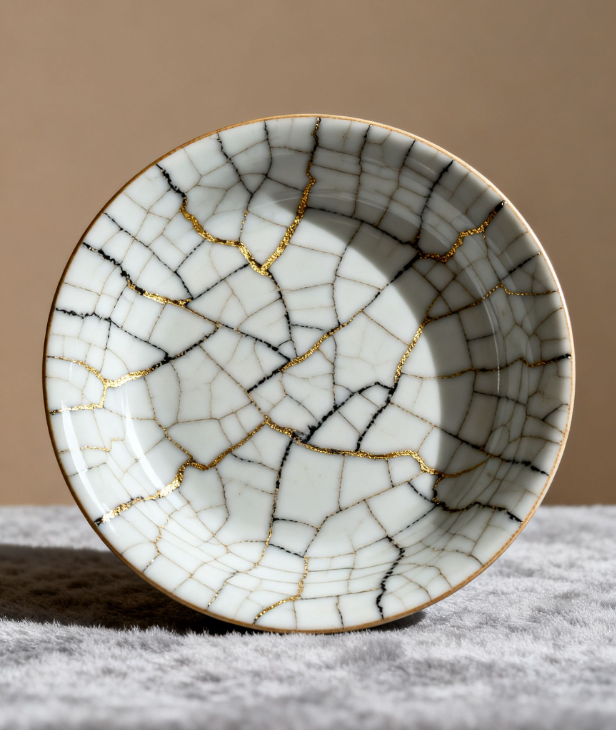
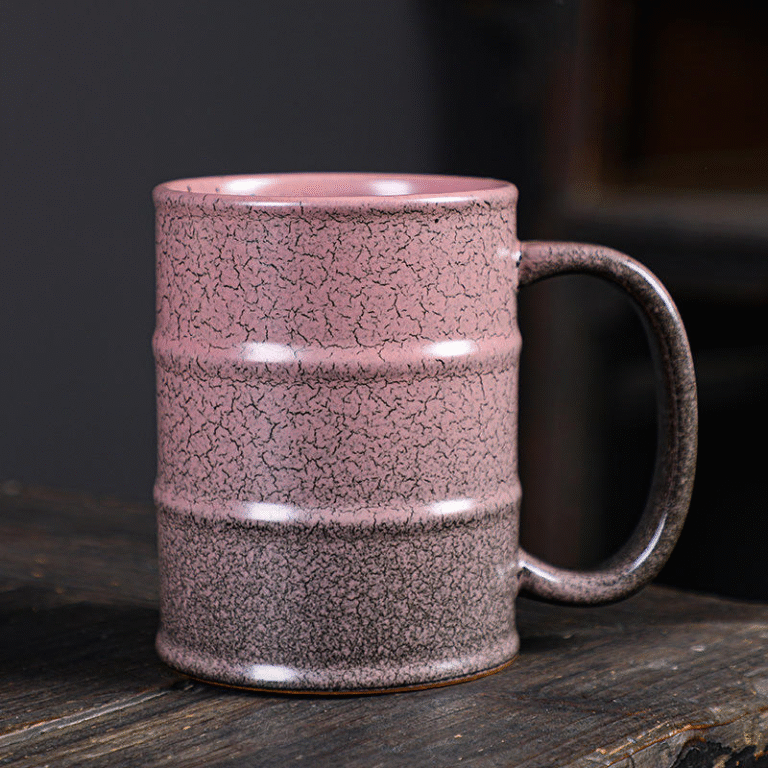
Crackle glaze (开片, kaipian) intentionally creates networks of fine cracks in the glaze layer through controlled cooling. These fractures, often stained with ink or tea over time, form decorative patterns ranging from delicate “golden thread and iron wire” to bold…

Kiln Transformation

Kiln transformation (窑变, yaobian) refers to unpredictable color changes in glazes caused by chemical reactions during firing. This “controlled accident” produces unique patterns ranging from flame-like streaks to iridescent surfaces, valued for their natural spontaneity. Scientific PrinciplesColor variations result from:…

Openwork Carving

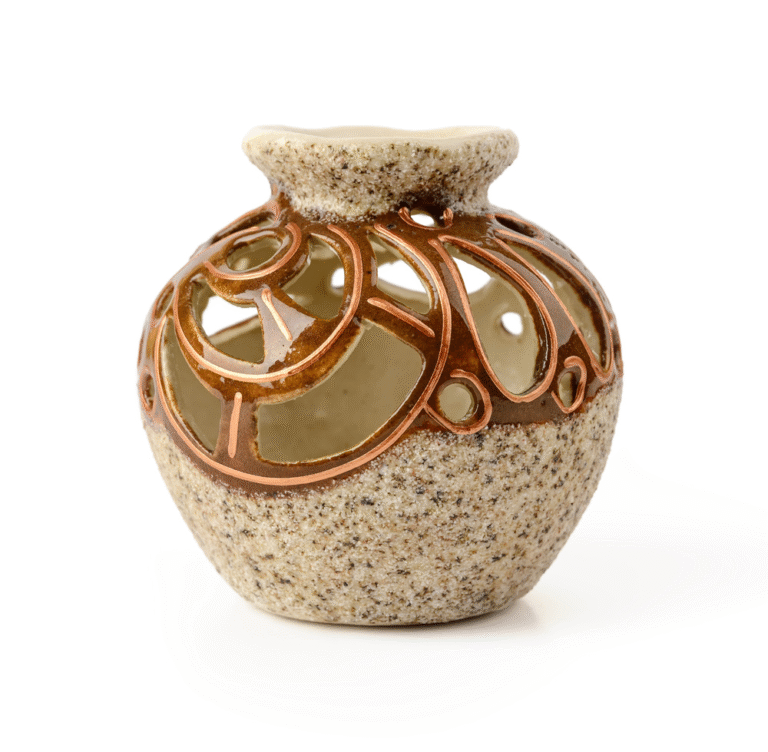
Openwork carving (透雕, tou diao) creates lace-like patterns by piercing the ceramic body entirely through, often in complex geometric or floral designs. This demanding technique requires precise control of wall thickness and structural integrity during firing. Architectural OriginsDerived from wooden…

Relief Carving

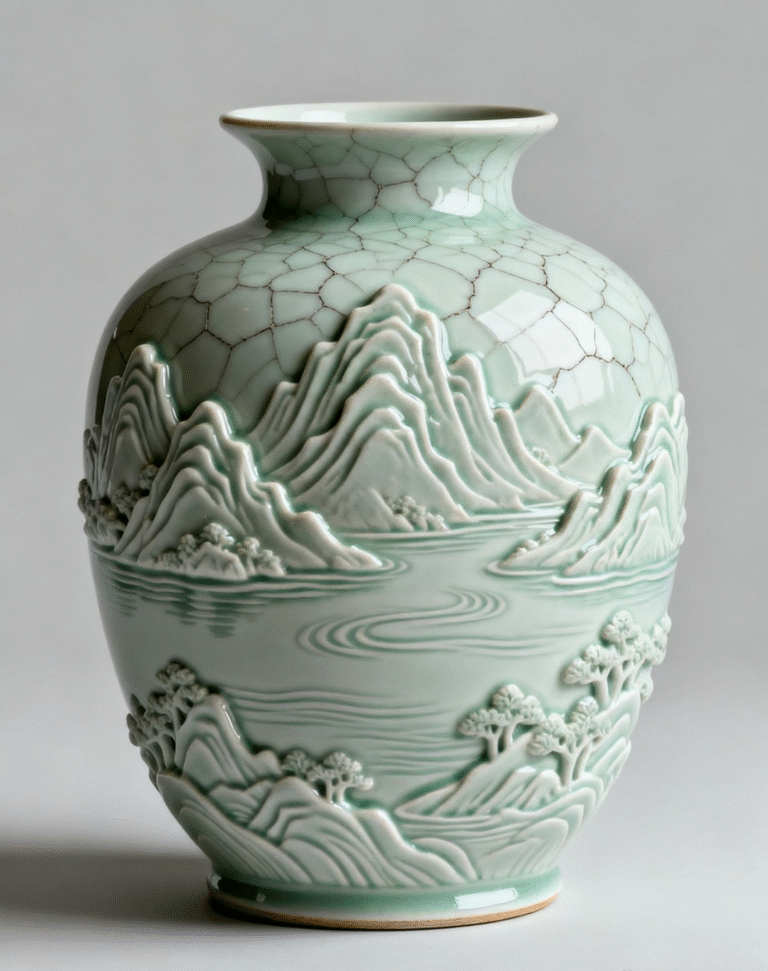
Relief carving creates three-dimensional designs by modeling clay additions or carving away background material. This technique ranges from subtle bas-relief to dramatic高浮雕 (gaofudiao), often combining with other methods like color glazes or incising. Buddhist Art InfluenceNorthern Wei Dynasty (386–534) Buddhist…

Gilding

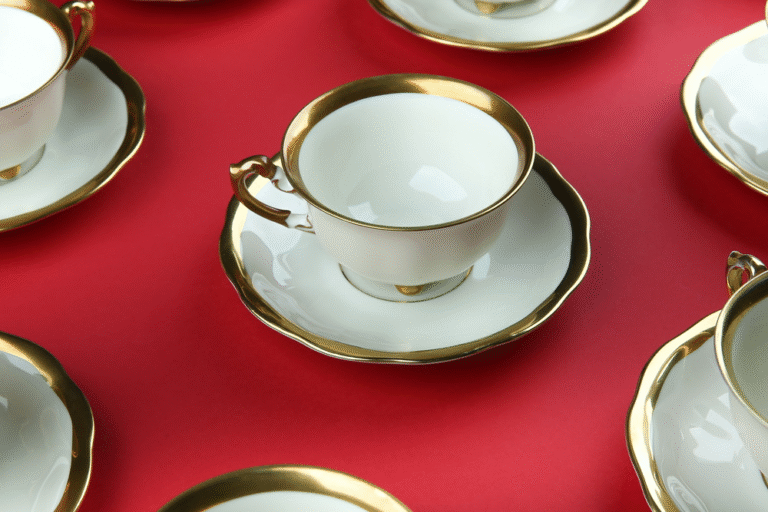
Ceramic gilding applies gold leaf or solution to glazed surfaces, creating luxurious metallic accents. The technique evolved through three phases: gold leaf application (pre-Ming), mercury amalgam gilding (Qing), and modern electroplating, each requiring specialized tools and firing protocols. Imperial TechniquesQing…

Carved Decoration

Carved decoration involves incising designs into leather-hard clay before glazing, creating浮雕 (fudiao) or bas-relief effects. Using metal or bamboo tools, artisans remove background clay to make motifs stand out, with depth varying from subtle lines to dramatic undercutting. Regional Variations-耀州窑…

Ink Wash Decoration

Ink wash decoration adapts traditional Chinese shui-mo painting techniques to ceramic surfaces, using iron oxide pigments to create monochromatic landscapes with subtle tonal variations. The technique mimics the “five tones of ink” (wumo) from literati painting, emphasizing意境 (yijing, “artistic conception”).…

Famille Rose Porcelain

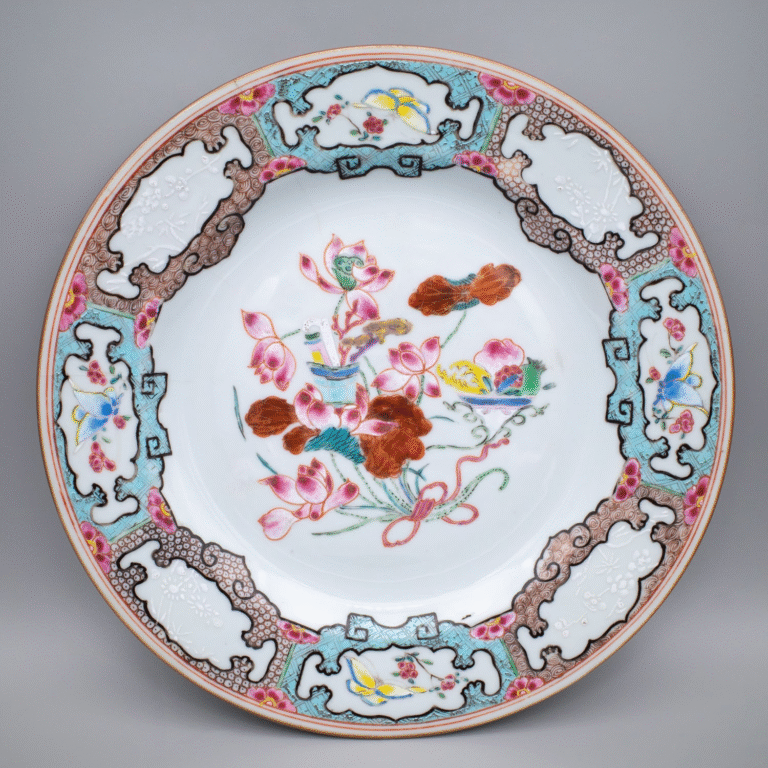
Famille rose (fencai) employs pink-toned overglaze enamels mixed with lead arsenate to create soft color gradients. Developed in early 18th-century China, this technique enabled Western-style perspective and shading in ceramic painting, revolutionizing decorative arts. Technical BreakthroughsIntroduced during the Kangxi period…

Linglong Porcelain

Linglong porcelain (“rice grain porcelain”) features delicate pierced patterns filled with transparent glaze, creating a lace-like effect that transmits light. The technique combines镂雕 craftsmanship with precise釉料 (glaze) application, resulting in ceramics that appear to glow when backlit. Jingdezhen LegacyOne of景德镇’s…