Need help or have a question?
Contact us at: service@jingci.shop


Gilding

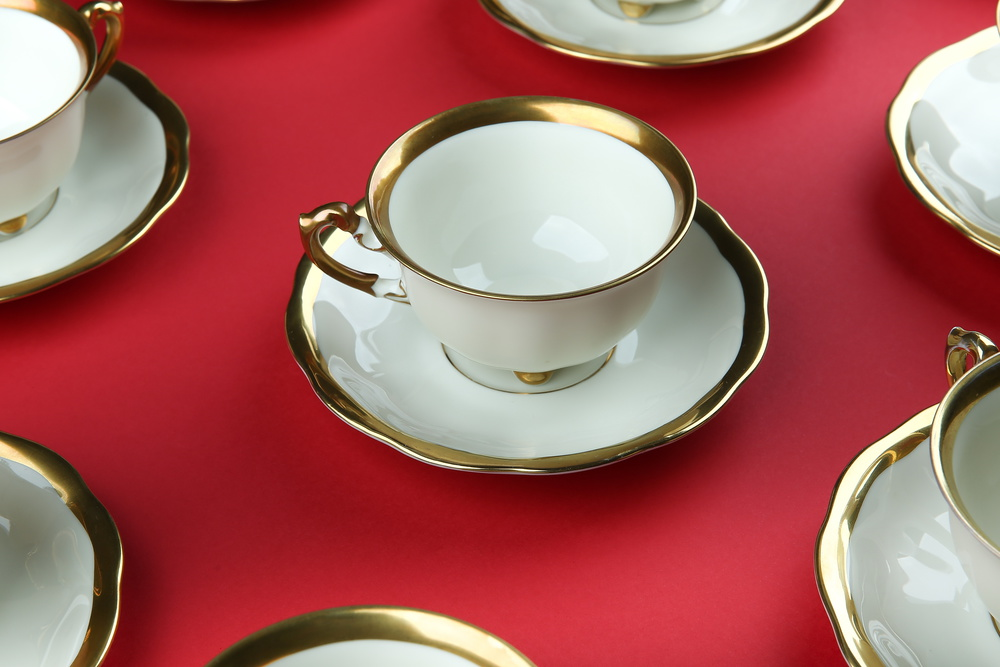
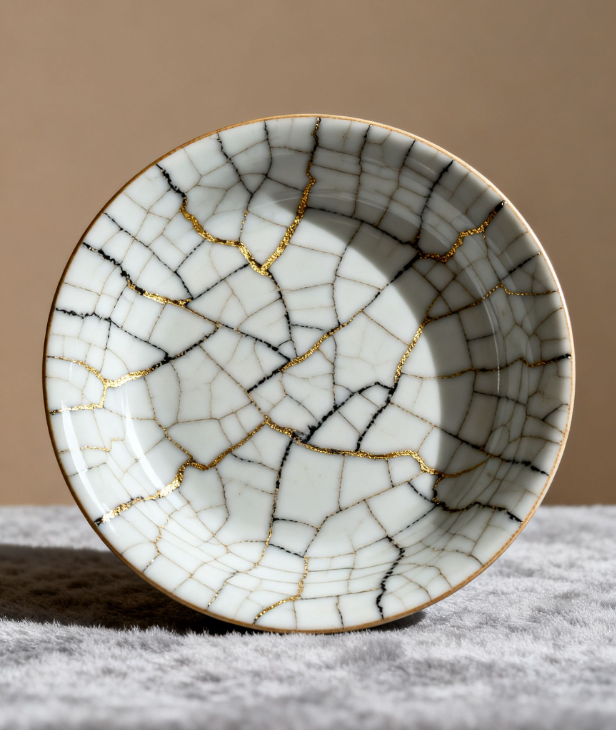
Ceramic gilding applies gold leaf or solution to glazed surfaces, creating luxurious metallic accents. The technique evolved through three phases: gold leaf application (pre-Ming), mercury amalgam gilding (Qing), and modern electroplating, each requiring specialized tools and firing protocols.
Imperial Techniques
Qing Dynasty imperial workshops developed:
- “Gold paste” (本金) using 98% pure gold powder mixed with gum arabic
-低温 firing (700–800°C) to bond gold without damaging overglaze colors
-玛瑙 (agate) burnishing for mirror-like finishes
Cultural Significance
Gold decoration symbolized imperial authority and divine right. The Forbidden City’s Qianlong Emperor throne room featured extensive gilded porcelain, reflecting the Confucian concept of “golden mean” (zhongyong) through balanced use of precious materials.
Conservation Challenges
The British Museum’s Ming Dynasty gold-decorated doucai cup illustrates preservation issues—original mercury gilding often deteriorates into black sulfide. Modern conservators use synchrotron X-ray fluorescence to study these materials without damaging artifacts.