Need help or have a question?
Contact us at: service@jingci.shop


Underglaze Decoration

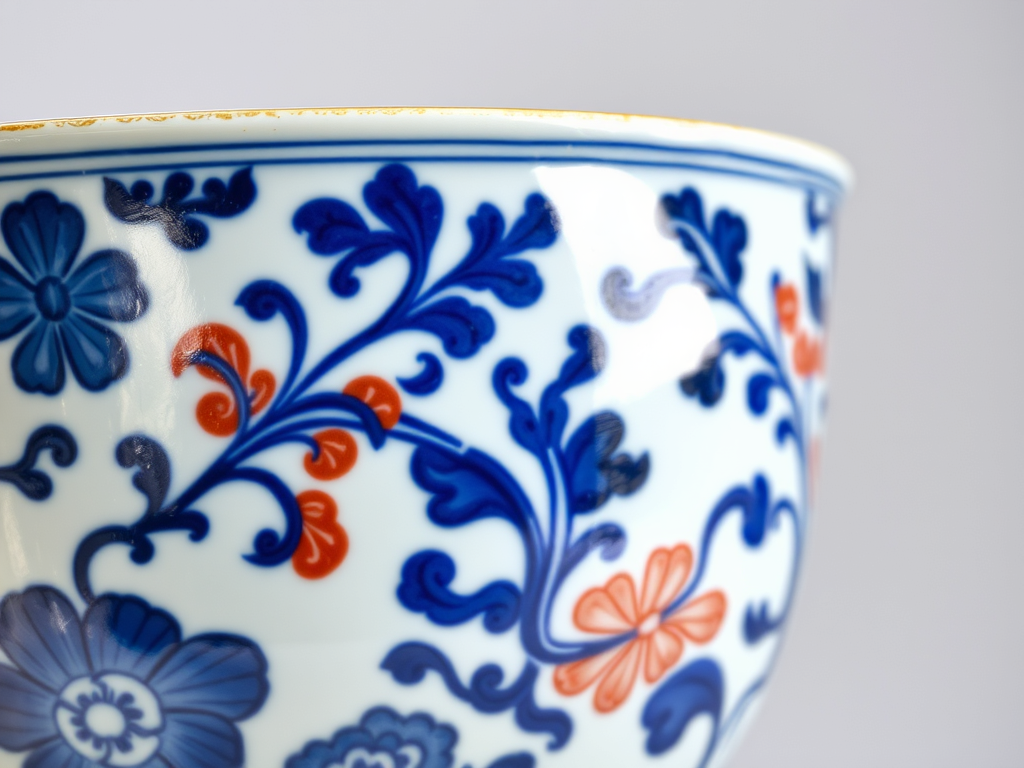
Underglaze decoration is a technique where painted designs are applied to the ceramic surface before glazing and firing, creating durable, vibrant patterns protected by a transparent glaze layer. This method uses mineral oxide pigments that fuse with the glaze during high-temperature firing, resulting in a uniform sheen and long-lasting color.
Historical Origins
Developed during China’s Tang Dynasty (618–907 CE), underglaze decoration reached technical maturity in the Song Dynasty. Archaeological evidence from Hunan’s Tongguan Kiln confirms its early use with iron and copper oxides. The technique gained global prominence through trade networks, influencing Islamic pottery like Iran’s 12th-century Mina’i ware and European maiolica.
Craftsmanship Highlights
- Pigment preparation using cobalt (for blue), iron (for red/brown), and copper oxides
- Single firing at 1300–1400°C, reducing production costs compared to overglaze methods
- Notable for its color stability; Ming Dynasty blue-and-white porcelain exemplifies this durability
Cultural Legacy
Underglaze blue became synonymous with Chinese porcelain, symbolizing purity and eternity in East Asian aesthetics. The British Museum’s “David Vases” (1351 CE) showcase元代 (Yuan Dynasty) mastery of underglaze cobalt decoration, which revolutionized global ceramic art.